

The Gut-Brain Connection: How Summer Heat Affects Your Mood and Digestion

Summer in Mysuru is not just about rising temperatures and longer days. The heat also affects how we feel and how our body works inside.
Many people notice that during hot months, they feel more tired, less patient, and sometimes even anxious. At the same time, digestion feels slower, and heavy meals become uncomfortable. This is not a coincidence.
Science shows that our gut and brain are closely connected—and summer heat influences both.
Understanding the Gut-Brain Connection
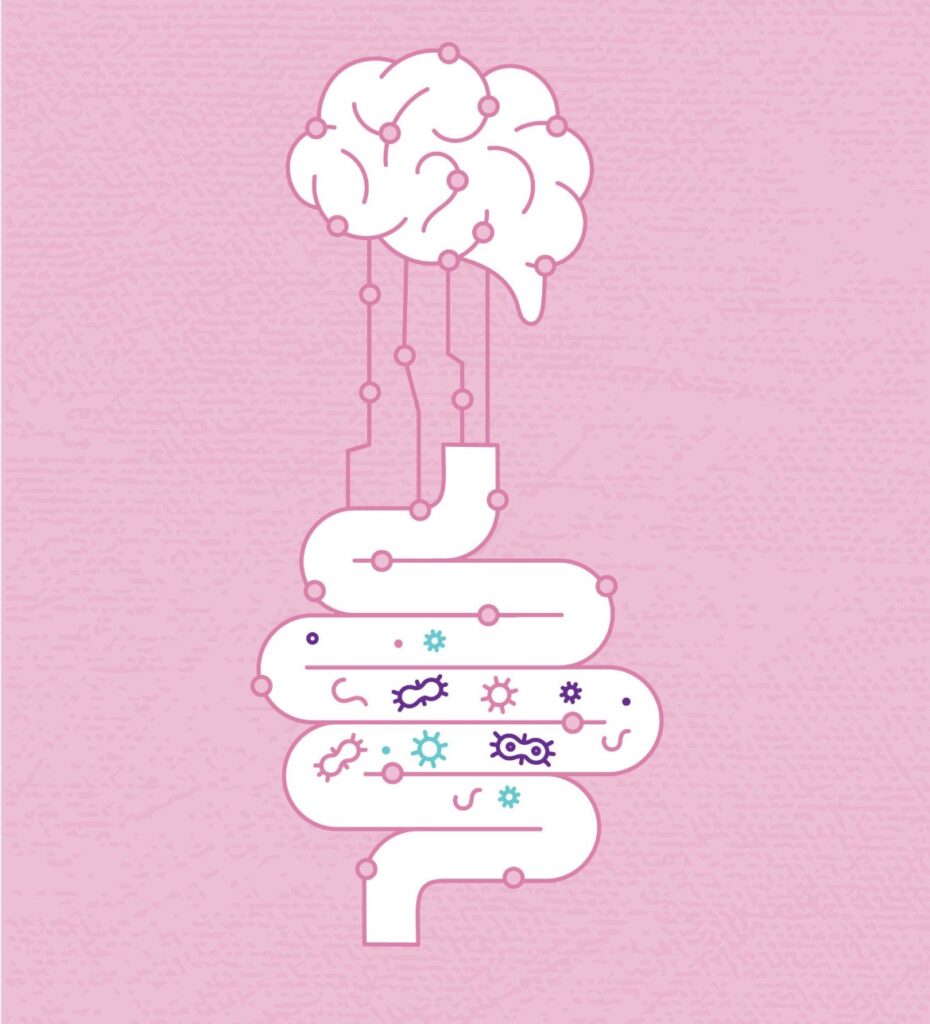
The gut and brain are linked through a system called the gut-brain axis.
This means:
The brain sends signals to the gut, affecting digestion The gut sends signals back to the brain, influencing mood Good digestion supports calmness and clear thinking Poor digestion can lead to stress, irritation, and low energy
This connection works through nerves, hormones, and even the bacteria in our intestines. That is why the gut is often called the “second brain.”
How Summer Heat Affects Digestion
Hot weather changes how our digestive system behaves:
1. Slower Digestion
In high heat, blood flow moves more toward the skin to cool the body.
This reduces blood supply to the stomach and intestines, slowing digestion.
👉 Result: heaviness, bloating, discomfort
2. Loss of Appetite
The body naturally tries to avoid producing extra heat.
So, you may feel less hungry.
3. Dehydration
Sweating reduces water and electrolytes.
Without enough fluids, digestion becomes difficult.
👉 Result: constipation, acidity, stomach uneasiness
4. Food Spoilage
Heat increases the risk of food contamination.
Unhygienic or spoiled food can upset the gut quickly.
How Summer Heat Affects Mood
The brain also feels the heat:
1. Irritability & Fatigue
The body works harder to stay cool → energy drains faster
👉 You may feel more impatient or exhausted
2. Sleep Disturbance
Hot nights affect sleep quality
👉 Poor sleep leads to low mood and poor focus
3. Gut Signals to Brain
If digestion is poor, the gut sends stress signals
👉 This can increase anxiety or low mood
4. Electrolyte Imbalance
Loss of sodium and potassium affects brain function
👉 Dizziness, confusion, and low energy
Foods That Support Gut and Brain in Summer
Choose light, cooling, and hydrating foods:
Water-rich fruits: watermelon, papaya, orange Fermented foods: curd, buttermilk, pickles Light grains: ragi, rice, millets Leafy greens: spinach, amaranth (rich in magnesium) Tender coconut water: natural electrolyte booster
Simple Lifestyle Tips
Eat small, frequent meals instead of heavy meals Stay well hydrated (water, buttermilk, coconut water) Create a cool sleep environment Practice mindful eating (eat slowly, chew well) Do yoga, meditation, or evening walks
Mysuru’s Traditional Wisdom
Our local culture already understands this connection:
Majjige (buttermilk) cools the body and supports digestion Ragi malt gives energy without heaviness Seasonal fruits like mango and jackfruit are eaten in moderation
These traditions show how food, mood, and climate are deeply connected.
Conclusion
Summer heat does more than make us sweat—it affects how our gut and brain work together.
Poor digestion can disturb mood.
Stress can disturb digestion.
By eating light, staying hydrated, and following traditional wisdom, we can maintain both physical and emotional balance.
As Mysuru faces the April heat, let us care for both our stomach and mind—so we can enjoy summer with energy, clarity, and calmness.
~ Megha Kiran
Founder and CEO
Nutrinest with Megha