

Ms. Kausthubha A
It’s no secret that screens are everywhere. But what is concerning is how much time children and adolescents now spend in front of them. Over the last decade, daily screen use has increased by nearly two hours for teens (now averaging 8 hours a day) and by one hour for preteens (about 5.5 hours a day).
According to Dr. Yang, nearly half of this time is still spent watching traditional television. However, the rapid rise of smartphones and tablets means many children are now spending almost half of their waking hours engaging with digital screens.
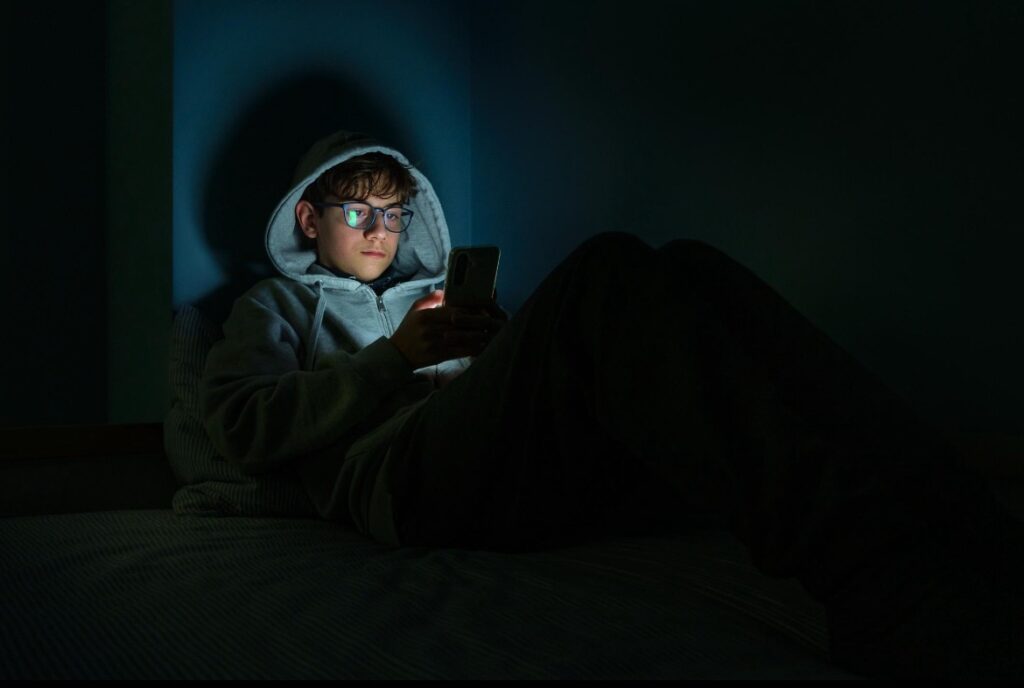
Excessive and unregulated screen time can interfere with sleep, focus, and emotional well-being.
The primary concern isn’t the gadget itself—it’s the impact excessive and unregulated screen exposure can have on a child’s developing brain and body. To help parents and caregivers make informed choices, organizations like the American Academy of Pediatrics (AAP) and the Centers for Disease Control and Prevention (CDC) provide age-appropriate media guidelines based on developmental needs.
Recommended Screen Time by Age
- Under 18 months
❌ No screen time, except video calls with family members. - 18 to 24 months
✔️ Limited exposure to high-quality educational content, only when watched together with a parent or caregiver. - Ages 2 to 5 years
⏱️ Maximum one hour per day, with age-appropriate and meaningful content. - Ages 5 to 12 years
⏱️ Up to two hours per day, ideally followed by family discussions about what they watched. - Teens
⚖️ Focus on balance, ensuring screen use does not replace: - Physical activity
- Adequate sleep
- Face-to-face social interaction
- Academic responsibilities

The Takeaway
The goal isn’t just to limit screen time—it’s to guide healthy digital habits. Screens should never interfere with a child’s physical health, emotional well-being, academic growth, or real-world social skills. When used mindfully, technology can support learning; when overused, it can silently hinder development.
Balanced screens today lead to healthier minds tomorrow.
- Kausthubha A.
Psychologist, All India Institute of Speech and Hearing (AIISH) Mysuru