
Forensic Science in India: Beyond the Glamour, Toward the Real Future
Manjunath P Gowda
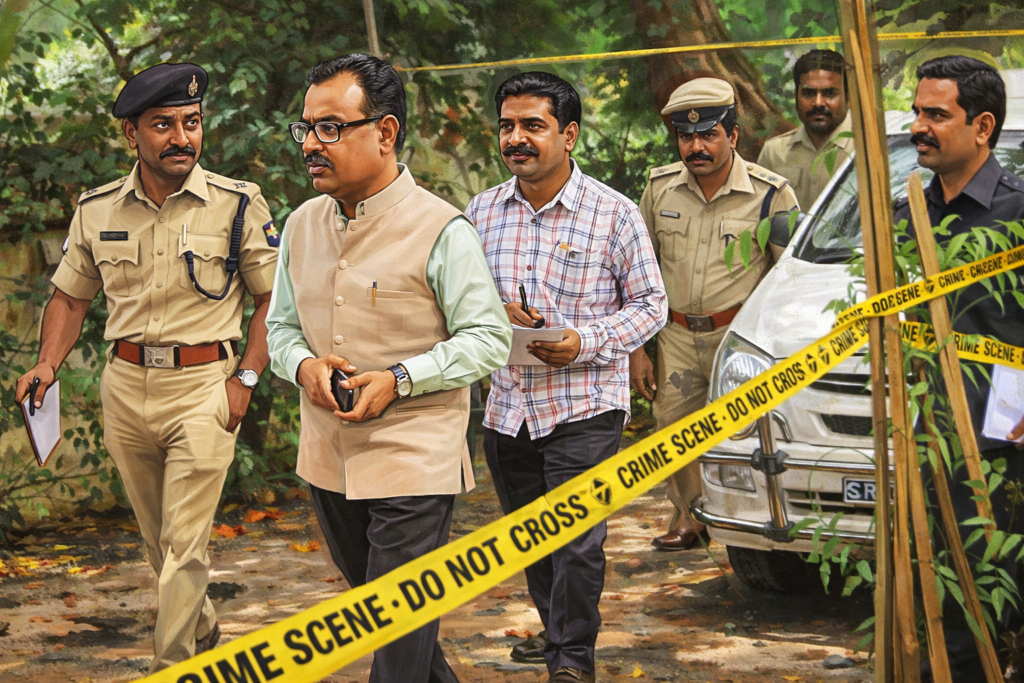
Forensic science in India has gained immense popularity over the last decade. Crime shows, web series, and movies have created an image of forensic experts as elite professionals with assured government jobs, high authority, and exciting careers. This perception has encouraged thousands of students to enroll in forensic science programs every year. However, when viewed through the lens of career opportunities rather than crime-solving fantasy, the reality of forensic science is far more nuanced.
This article presents a realistic picture of forensic science in India, focusing on career opportunities, employment realities, and a comprehensive overview of branches as structured by the National Forensic Sciences University (NFSU) the apex institution for forensic education in the country.
Understanding Forensic Science as a Career Field
Forensic science is a multidisciplinary domain that applies scientific knowledge to the legal system. As a career, it extends beyond laboratory work and includes investigation support, expert testimony, research, teaching, cybersecurity, intelligence, and policy-level applications. While the discipline is critical for justice delivery, career opportunities vary greatly across branches, and not all specialisations offer the same level of employability.
FANTASY VS REALITY: OPPORTUNITIES IN FORENSIC SCIENCE
The Fantasy
Many students enter forensic science believing:
• Every forensic graduate gets a government job
• All branches have equal job opportunities
• A forensic degree alone is sufficient for employment
• Demand is high across all forensic specializations
The Reality
• Government jobs are limited and highly competitive, especially in traditional forensic laboratories
• Recruitment cycles are slow, and vacancies are few compared to the number of graduates
• Some branches are oversaturated, while others are highly in demand
• Skill-based specialization matters far more than the degree title
👉 The truth: Forensic science offers opportunities, but only in selected domains and for skilled specialists. It is not a guaranteed employment pathway.
COMPREHENSIVE BRANCHES OF FORENSIC SCIENCE (As per NFSU Structure)
Core Forensic Science Disciplines
➢ Forensic Science (General/ Comprehensive)
Covers crime scene management, forensic physics, evidence handling, and general analytical methods forming the foundation of forensic practice.
➢ Forensic Biotechnology
Specializes in molecular biology, DNA profiling, genetic analysis, and human identification.
➢ Forensic Toxicology
Focuses on the analysis of drugs, poisons, alcohol, narcotics, and hazardous substances.
➢ Forensic Chemistry
Involves chemical examination of explosives, petroleum products, fire debris, and unknown substances.
TECHNOLOGY-DRIVEN & HIGH-DEMAND DOMAINS
➢ Digital Forensics & Digital forensics
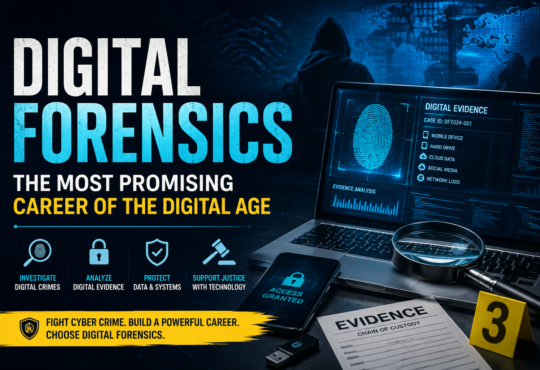
Includes mobile forensics, computer forensics, network forensics, cloud forensics, and malware analysis. This is currently the most employable forensic domain.
➢ Multimedia Forensics
Deals with authentication and analysis of audio, video, and image evidence, especially relevant in cybercrime and media-related cases.
IDENTIFICATION & BEHAVIORAL SCIENCES
➢ Fingerprint Science
Analysis and identification of latent, patent, and plastic fingerprints using manual and automated systems.
➢ Questioned Documents
Examination of handwriting, signatures, forged documents, counterfeit currency, and printed materials.
➢ Forensic Odontology
Application of dental sciences for human identification and age estimation.
➢ Forensic Psychology
Includes criminal behavior analysis, offender profiling, forensic neuropsychology, and lie detection techniques such as BEOS.
FORENSIC ANTHROPOLOGY
Identification of human skeletal remains, age, sex, stature, and ancestry determination.
CRIME-SPECIFIC & APPLIED FORENSICS
➢ Ballistics and Explosives
Examination of firearms, ammunition, gunshot residues, and explosive materials.
➢ Forensic Nursing
Specialized healthcare and medico-legal evidence collection from victims of violence and abuse.
➢ Environmental Forensics
Investigation of environmental contamination, pollution, and ecological crimes for legal purposes.
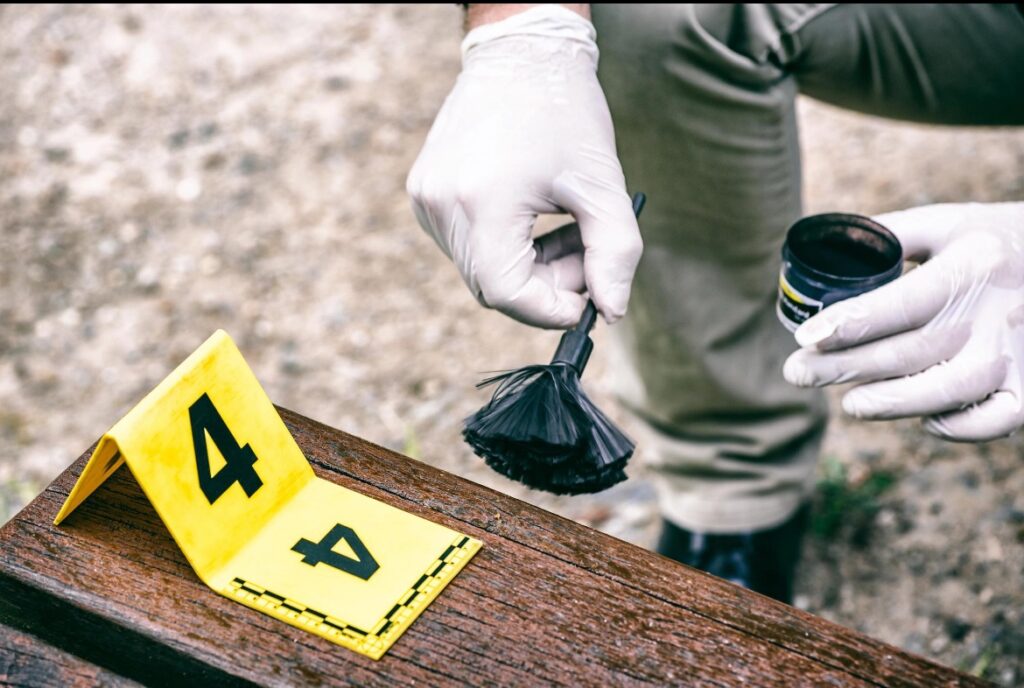
Real forensic work involves detailed evidence collection, documentation, and scientific analysis — not cinematic shortcuts.
MODERN & SPECIALIZED RESEARCH DOMAINS(Centres of Excellence – NFSU)
The National Forensic Sciences University also operates advanced Centres of Excellence that represent the future direction of forensic science:
• Centre of Excellence in Cyber Security
• Centre of Excellence for DNA Forensics
• Ballistics Research Centre & Testing Range
• Centre of Excellence in NDPS (Narcotic Drugs & Psychotropic Substances)
• Drone Forensics Laboratory
• Forensic Structural Engineering Laboratory
• Centre for Futuristic Defence Studies
• Centre for Happiness & Well-being (for forensic psychology and behavioral sciences)
These centres focus on research, innovation, policy support, and national security, rather than mass employment.
OTHER ALLIED AND EMERGING BRANCHES
➢ Forensic-Journalism
Focuses on ethical crime reporting, media trials, and responsible dissemination of forensic information.
➢ Police Dog Handling/ Canine Forensics
Training and application of K9 units and canine forensic odourology.
➢ Homeland Security Studies
Specialized education in internal security, intelligence analysis, border management, and counter terrorism.
Where Opportunities Truly Exist
While traditional forensic branches face limited hiring, digital forensics, cyber forensics, cybersecurity, and forensic data analysis show strong and consistent demand. These professionals are employed not only by law enforcement agencies but also by:
• IT and cybersecurity firms
• Banks and financial institutions
• Corporate risk and compliance teams
• Intelligence and defense organizations
These areas offer better pay, faster recruitment, and global career mobility.
The Next 10 Years: A Realistic Outlook
Forensic science in India will continue to grow but not uniformly across all branches. The next decade will favor:
• Technology-integrated forensics
• Cyber and digital evidence specialists
• DNA and biotechnology experts
• Interdisciplinary professionals combining law, technology, and forensic science
General forensic degrees without specialization or practical skills are unlikely to ensure stable employment.
Manjunath P Gowda
Assistant Professor
Dept of Digital Forensics
Malla Reddy University
Email – manjunathp@mallareddyuniversity.ac.in
Instagram- @forensic_throttler, @prof.forensic Phone no – 8867615595